Searching for answers on gambling addiction? You’ve made a crucial step forward. Specifically, this guide aims to assist compulsive gamblers, individuals who have lost control over their betting, leading to severe consequences such as financial losses, bankruptcy, job loss, homelessness, mental health conditions, and the breakdown of personal relationships, highlighting the unique challenges they face. Gambling addiction extends beyond losing bets; it’s a condition that can overwhelm every corner of one’s life. This guide cuts through the complexities to uncover the raw signs, dive into the mental battles waged, and offer lifelines for recovery. Whether you’re in the throes of addiction or aiding someone who is, discover tangible strategies and support inside.
Key Takeaways
- Gambling addiction is a serious disorder with symptoms like an uncontrollable urge to gamble, deceit to sustain the habit, and adverse effects on personal and professional relationships.
- It’s often associated with a range of co-occurring mental health disorders, such as anxiety and depression, and can severely impact the financial stability and emotional well-being of both the individual and their family.
- There are multiple treatment paths available for those with gambling addiction, including Cognitive Behaviour Therapy (CBT), family therapy, support groups, and practical day-to-day strategies that focus on identifying triggers, managing finances, and finding alternative activities.
Recognizing Gambling Addiction
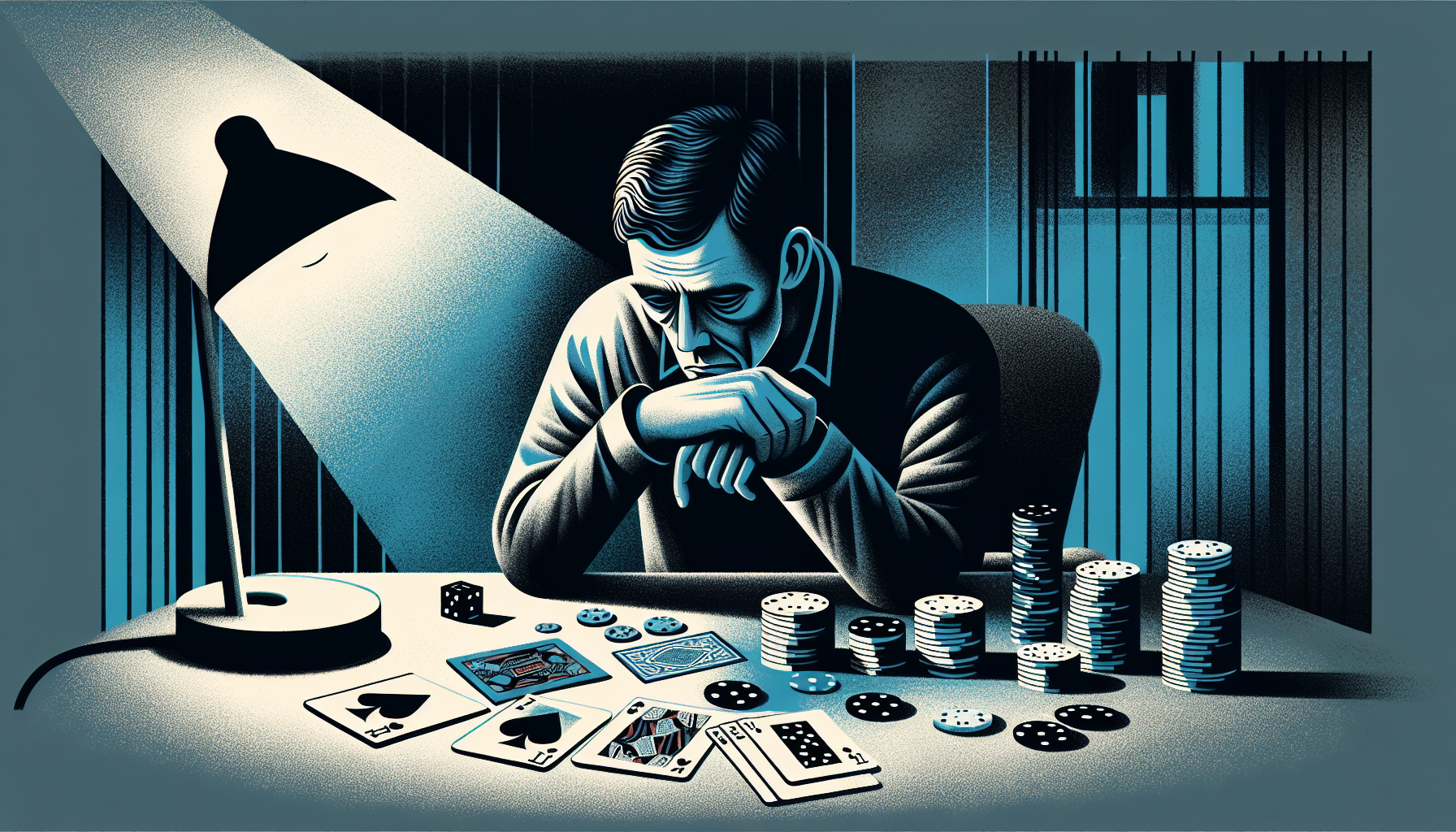
Gambling addiction, also known as compulsive gambling, is an insidious disorder characterised by an uncontrollable urge to gamble, even when the stakes are high, and the consequences dire. The anticipation of a win, the thrill of the bet, and the euphoria of a windfall can all contribute to the development of this addiction. While the occasional flutter is a harmless pastime for many, for problem gamblers, excessive gambling can evolve into a debilitating gambling disorder.
A compulsive gambler often finds themselves on a slippery slope, their gambling behaviour escalating from a recreational activity to a desperate attempt to recoup their losses. The compulsion can become so overpowering that individuals may resort to deceit, theft, or fraud to sustain their habit. It’s not just their financial stability at risk; gambling problems can wreak havoc on personal and professional relationships, leading to a pervasive sense of chaos and disruption.
Warning Signs
The insidious nature of gambling addiction often makes it difficult to recognise until it’s advanced. However, there are warning signs that can signal when gambling becomes a problem for problem gamblers. Some of these signs include:
- Excessive time spent on gambling
- A compelling urge to recover losses
- Behavioural signs such as lying about gambling or borrowing money to gamble
- Emotional distress, such as guilt or defensiveness about gambling behavior
If you or someone you know is experiencing these signs, it may be a sign of a gambling problem, and the person might be a problem gambler. Seeking help is recommended.
An individual with a gambling problem may also exhibit the following signs:
- Lying about the frequency of their bets or the amount they’ve spent
- Spending long periods unaccounted for
- Mood swings dependent on gambling outcomes
- Withdrawal from social circles
- Borrowing money to finance gambling
These signs could indicate a deeper issue with gambling addiction.
Symptoms
While the warning signs help identify a potential gambling problem, the symptoms provide further evidence. One of the key symptoms of gambling addiction is the obsessive concealment of gambling activities. A compulsive gambler might go to great lengths to hide the extent of their gambling, creating a veneer of normalcy while their addiction festers underneath.
The urge to gamble can become so compulsive that it supersedes all else, manifesting as:
- Restlessness or irritability when an individual attempts to stop
- Preoccupation with gambling, with thoughts constantly reverting to their next bet or how to recoup their losses
- Attempts to chase losses, leading to a vicious cycle of betting and losing
Such symptoms are often accompanied by attempts to chase losses, leading to a vicious cycle of betting and losing.
Early identification of these symptoms can prevent the progression of the addiction, mitigating its severe consequences. Recognising these signs in problem gamblers is crucial for providing the necessary support and treatment to help them recover.
The Impact of Gambling Addiction on Mental Health
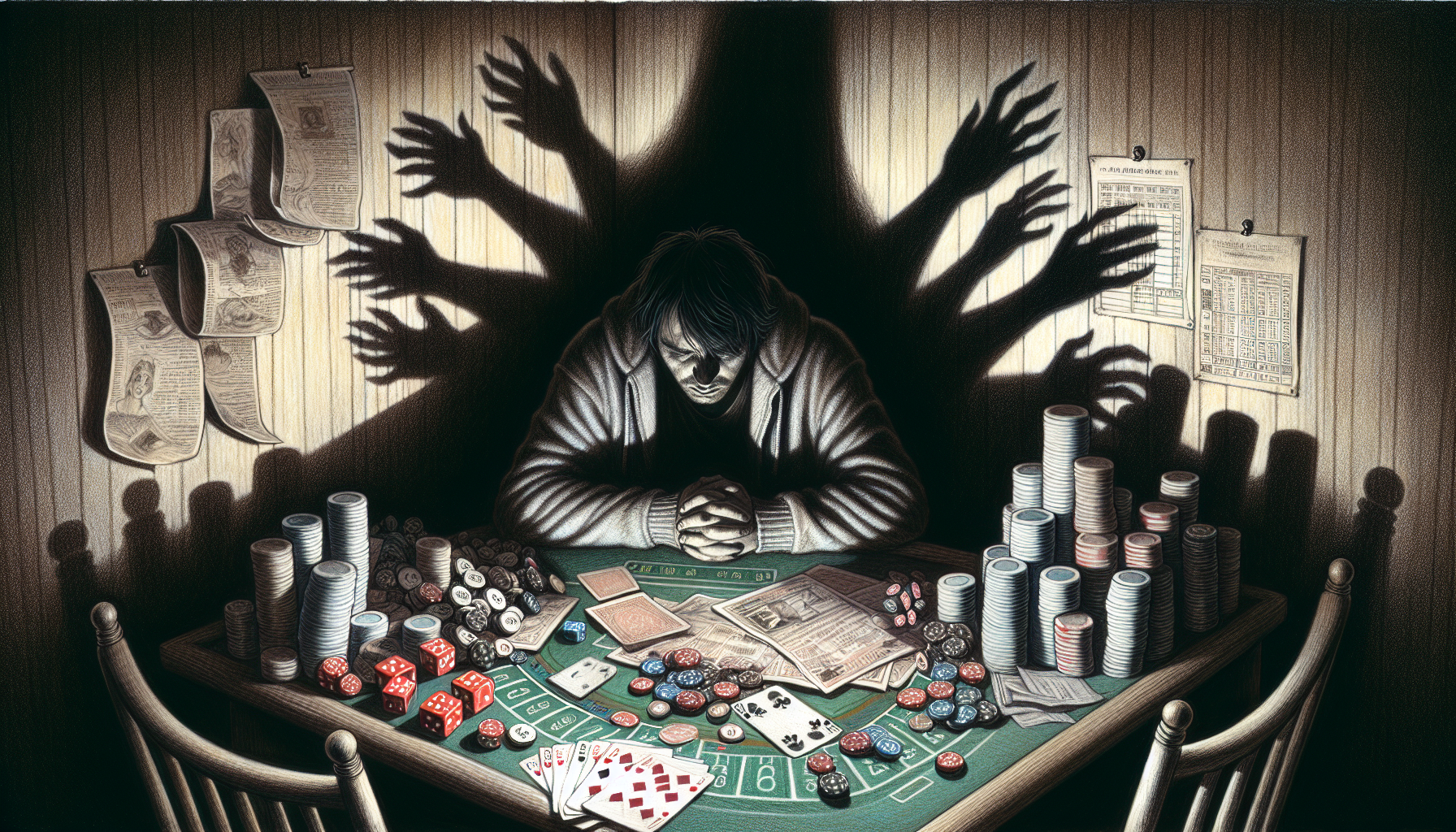
As gambling addiction takes hold, it often brings with it a host of mental health issues. The constant stress of financial uncertainty, the guilt of deceit, and the fear of exposure can put an enormous psychological strain on an individual. The mental turmoil caused by problem gambling often gives rise to other mental health problems, such as anxiety and depression.
The connection between gambling problems and mental health issues is well-documented. Studies show a higher prevalence of mood and anxiety disorders among those with a gambling problem. This tight-knit relationship between gambling addiction and mental health problems underscores the need to address the psychological aspect of addiction in any recovery effort.
Co-occurring Disorders
Gambling addiction rarely occurs in isolation and significantly impacts problem gamblers. Often, it’s accompanied by other mental health disorders, such as anxiety, depression, and bipolar disorder. This correlation between problem gambling and a range of comorbid disorders makes the path to recovery more complex and challenging for problem gamblers.
For some individuals, gambling becomes a coping mechanism for dealing with existing mental health problems, offering a distraction from negative emotions. However, this can lead to a vicious cycle, as the gambling habit exacerbates the mental health issues, which in turn fuels further gambling. Therefore, addressing these co-occurring disorders is a crucial part of treatment and recovery for problem gamblers, often requiring the guidance of a mental health professional.
Effects on Family and Friends
The damaging effects of gambling addiction don’t stop at problem gamblers. They ripple out, affecting family members and close friends who may feel a range of negative emotions, including anger, betrayal, and fear. This emotional toll can lead to a breakdown in communication, decreased participation in social activities, and even an increased risk of domestic violence.
But the impact isn’t just emotional. The financial repercussions of gambling can cause significant distress for families, potentially leading to loss of property, savings, and in severe cases, homelessness. Such issues often give rise to frequent arguments about gambling behaviours, further straining relationships.
Treatment Options for Gambling Addiction
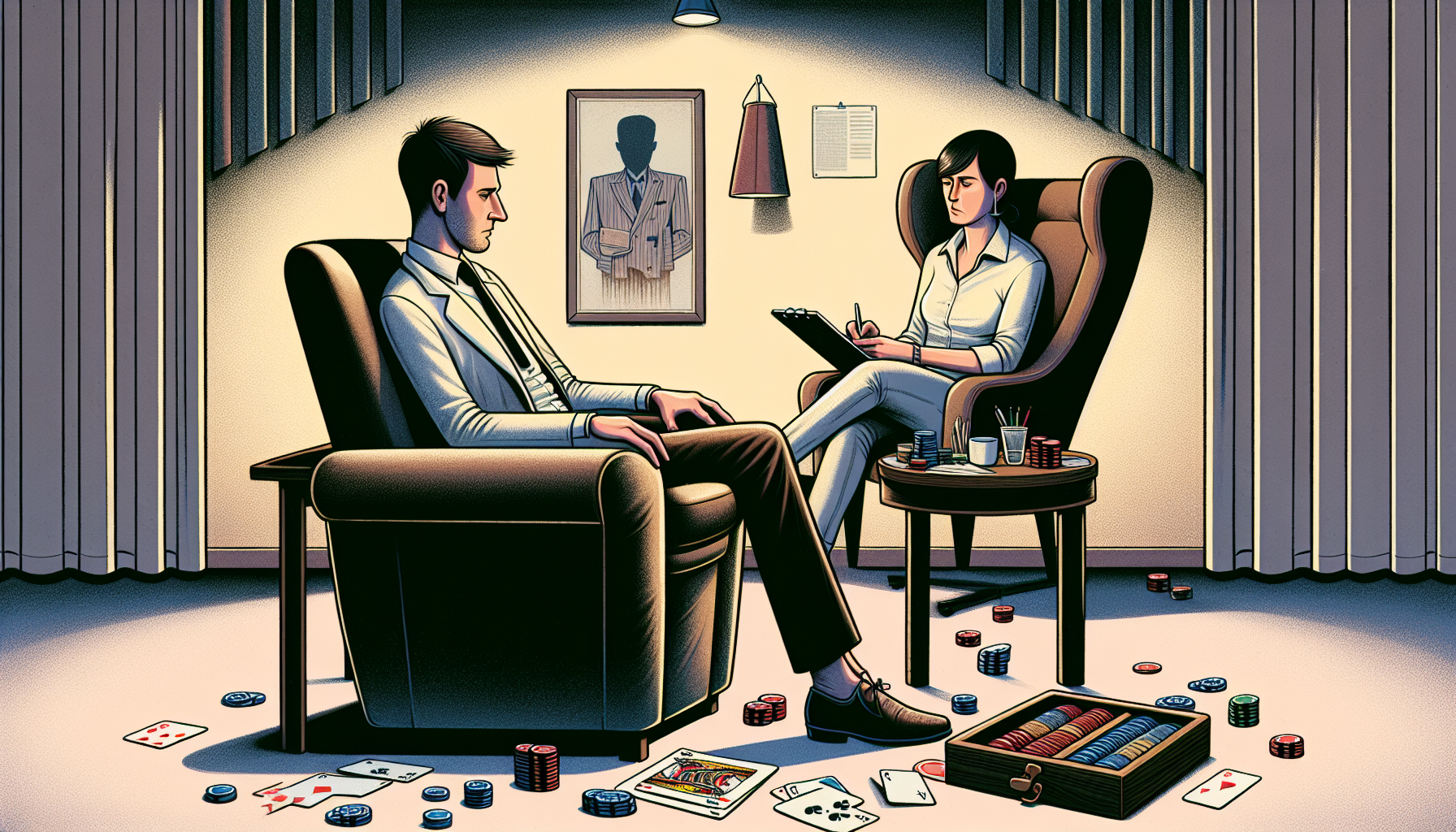
While the challenges of gambling addiction are vast, there’s a range of treatment options available that can offer hope and help. Outpatient and inpatient programs, as well as residential treatment options, can be tailored to the needs and resources of individuals suffering from compulsive gambling. These treatment options aim to address not just the addiction, but the underlying issues that fuel it. These treatments are specifically designed for problem gamblers, offering them a path to recovery.
Cognitive behaviour therapy (CBT) is one such treatment that has proven effective in overcoming gambling addiction. It works by changing unhealthy gambling behaviours and thoughts, teaching coping skills, and addressing issues such as anxiety, depression, or social isolation. Alongside CBT, financial counseling can offer critical support by providing alternative methods for financial recovery. However, one of the most crucial aspects of any treatment plan is ongoing support and intervention, particularly when individuals encounter gambling-related environments or influences.
Cognitive Behaviouur Therapy (CBT)
Cognitive Behaviour Therapy (CBT) is a psychological therapy that has shown promise in treating gambling addiction. It focuses on altering unhealthy gambling behaviours and thoughts, teaching coping skills, and addressing issues that contribute to the compulsion. Essentially, CBT helps individuals understand and change their thought patterns that lead to harmful actions, including gambling.
CBT for gambling addiction challenges unhelpful thinking patterns and misconceptions about skill in games of chance. Through therapy, individuals learn to examine the logic behind their gambling and replace irrational and negative beliefs with positive and healthy ones. This process of reshaping thought patterns can significantly reduce the compulsion to gamble, helping individuals regain control over their lives.
Family Therapy
In many cases, the path to recovery from gambling addiction is not one to be walked alone. Family therapy can play a pivotal role in the treatment process, helping to:
- Resolve conflicts
- Restore healthy communication within the family
- Address the dynamics that contribute to the addiction
- Help family members understand the issue and how to support their loved one
Family therapy aims to:
- Repair damaged relationships
- Improve family dynamics
- Foster open communication
- Create a supportive home environment
By doing so, family therapy can facilitate recovery and prevent relapses.
Support Services and Groups
Support services and groups form an integral part of the recovery journey. Organisations like Gamblers Anonymous provide:
- Peer support
- A shared understanding of the challenges faced during recovery
- A safe space for individuals to discuss their gambling problems with others facing similar challenges
- A sense of community and shared resilience
These groups can be a valuable resource for individuals seeking support in their recovery from gambling addiction.
Online platforms like Gambling Help Online offer resources and assistance for individuals struggling with gambling addiction. They provide a lifeline for those in the depths of gambling addiction, offering confidential advice and support 24/7.
Practical Strategies for Overcoming Gambling Addiction

While professional treatments form the cornerstone of recovery, practical strategies can reinforce these treatments and provide additional support for problem gamblers. These strategies include:
- Identifying triggers and developing coping mechanisms
- Managing finances and avoiding financial stressors
- Engaging in alternative activities to replace addictive behaviours
- Building a strong support network of friends and family
- Practicing self-care and prioritizing physical and mental health
By implementing these strategies, individuals can take proactive steps towards overcoming their addiction and rebuilding their lives.
Avoiding triggers is a critical step in maintaining recovery from gambling addiction. This could involve:
- Staying away from gambling venues
- Refraining from using gambling as a means of socialisation or escapism
- Implementing financial management strategies, such as avoiding credit cards, not taking out loans, and not carrying large sums of money
These strategies can help reduce financial risks during recovery.
Identifying Triggers
Understanding and identifying triggers that initiate the urge to gamble is a crucial step in managing gambling addiction. Recognising cues, places, times, and emotional states that might spark the urge to gamble can help individuals anticipate and manage these triggers.
Developing coping statements can also help negate thoughts that trigger gambling urges. By planning ahead for situations that may trigger gambling urges, individuals can have strategies in place for dealing with these triggers when they arise. By recognising and managing these triggers, individuals can significantly reduce the risk of relapse.
Financial Management
Sound financial management is a cornerstone of recovery from gambling addiction. To reduce financial risks, individuals should avoid using credit cards, taking loans for gambling purposes, or carrying large sums of money. By taking control of their finances, individuals can reduce the temptation to gamble and limit their ability to sustain a gambling habit.
Setting financial boundaries is another essential aspect of recovery. This may include refusing to pay off gambling debts, not lending money, and setting up separate bank accounts. Professional guidance can also be invaluable in protecting family assets and income when a family member is struggling with gambling addiction.
Alternative Activities
Finding alternative recreational activities or hobbies is recommended to fill the void created by stopping gambling. Engaging in physically demanding sports, learning a new skill, or pursuing a hobby can provide a rush similar to that experienced while gambling, serving as a healthy alternative.
By redirecting their energy towards these alternative activities, individuals can break the cycle of addiction, replacing the harmful habit of gambling with positive, fulfilling pursuits. This shift can help individuals regain control over their lives, offering a sense of accomplishment and self-worth that can aid in their recovery.
Supporting a Loved One with a Gambling Problem

Supporting problem gamblers, who are loved ones facing the challenges of a gambling addiction, can be a daunting task. By opening a dialogue about gambling habits, you can provide a safe and non-judgmental space for your loved one to discuss their struggles and fears. The support of close friends and family can be a pivotal factor in convincing someone with a gambling problem to change their behaviour and pursue treatment.
However, support doesn’t mean enabling. It’s crucial to strike a balance between offering support and encouraging self-reliance. This balance can help your loved one take responsibility for their actions and begin the journey towards recovery.
Embarking on the road to recovery is a courageous decision, and understanding the holistic approach of residential care facilities is paramount. Institutions like Highlands Recovery in Australia, exemplify this by specialising in treating addictions, trauma, and mental health issues through comprehensive programs. These programs offer a spectrum of services, including residential withdrawal management and rehabilitation for men and women, addressing a wide array of disorders and concerns.
By focusing on healing the damage caused by addiction and mental illness, residential care supports individuals with a structured environment for recovery, relying on the experienced team with over 30 years of experience.
Encouraging Treatment
Encouraging a loved one to seek treatment for gambling addiction can be an uphill task. However, offering a supportive environment and communicating effectively can be the first steps in motivating them to seek help. Encouraging your loved one to engage with therapists or counsellors who have expertise in gambling addiction can be a significant step in their recovery.
Remember, your support can be instrumental in helping your loved one overcome their addiction. By standing by their side, you can give them the strength to confront their problems and work towards recovery.
Setting Boundaries
Setting boundaries with a loved one who is struggling with gambling addiction can be a delicate but necessary process. By establishing emotional and relational boundaries, you can encourage your loved one to take responsibility for their actions. This might involve seeking external support, negotiating a more equal balance of household responsibilities, or, if necessary, considering stepping away from the relationship.
Remember, setting boundaries isn’t about punishment or control. It’s about creating a healthy balance in the relationship, protecting your own well-being, and helping your loved one understand the consequences of their actions.
Recognising Progress
Recovery from gambling addiction is a long, winding journey often marked by setbacks. During this process, recognizing and celebrating every step forward can serve as a powerful motivator. Whether it’s a day, a week, or a month without gambling, each milestone should be acknowledged and celebrated.
Remember, progress isn’t just about the absence of gambling. It’s also about the development of new skills, the improvement of relationships, and the enhancement of overall well-being. By focusing on these positive changes, you can help your loved one stay motivated on their path to recovery.
Summary
Gambling addiction is a complex disorder, often hidden in plain sight until it’s too late. However, with early recognition, comprehensive treatment, and supportive loved ones, recovery is within reach. By understanding the warning signs, addressing co-occurring disorders, embracing treatment options, and implementing practical strategies, individuals can regain control over their lives. Every step forward, every day without gambling, is a victory worth celebrating.
Frequently Asked Questions
What are some warning signs of gambling addiction?
If you find yourself spending excessive time and money on gambling, feeling a strong urge to gamble after losses, or concealing the extent of your gambling, these could be warning signs of addiction. It’s important to seek help if you recognise these behaviours.
How does gambling addiction affect mental health?
Gambling addiction can lead to mental health issues such as stress, anxiety, depression, and reduced self-esteem. It is important to seek support and treatment to address these challenges.
What are some treatment options for gambling addiction?
Treatment options for gambling addiction include outpatient and inpatient programs, cognitive-behavioural therapy, family therapy, and support services and groups. These can provide comprehensive support for individuals struggling with this addiction.
What are some practical strategies for overcoming gambling addiction?
To overcome gambling addiction, it’s important to identify triggers, manage finances, and engage in alternative activities. These strategies can help in regaining control and breaking the cycle of addiction.
How can I support a loved one with a gambling problem?
You can support a loved one with a gambling problem by encouraging treatment, setting boundaries, and recognising their progress in recovery.