Disordered eating and eating disorders are serious mental health conditions involving disturbances in eating behaviours and intense preoccupation with food, weight, and body shape. These disorders can have severe health consequences. This article will explore the different types of eating disorders, their symptoms, causes, and how to seek help.
Key Takeaways
- Eating disorders are serious mental health conditions involving severe disturbances in eating habits, affecting people of all ages and backgrounds.
- Common types of eating disorders include anorexia nervosa, bulimia nervosa, binge eating disorder (BED), avoidant restrictive food intake disorder (ARFID), and other specified feeding or eating disorders (OSFED).
- Effective treatment for eating disorders requires a multidisciplinary approach, including psychotherapy, nutrition counseling, and medication, aiming to address both the physical and mental aspects of the condition.
- Body image issues are a common concern related to eating disorders.
What Are Eating Disorders?
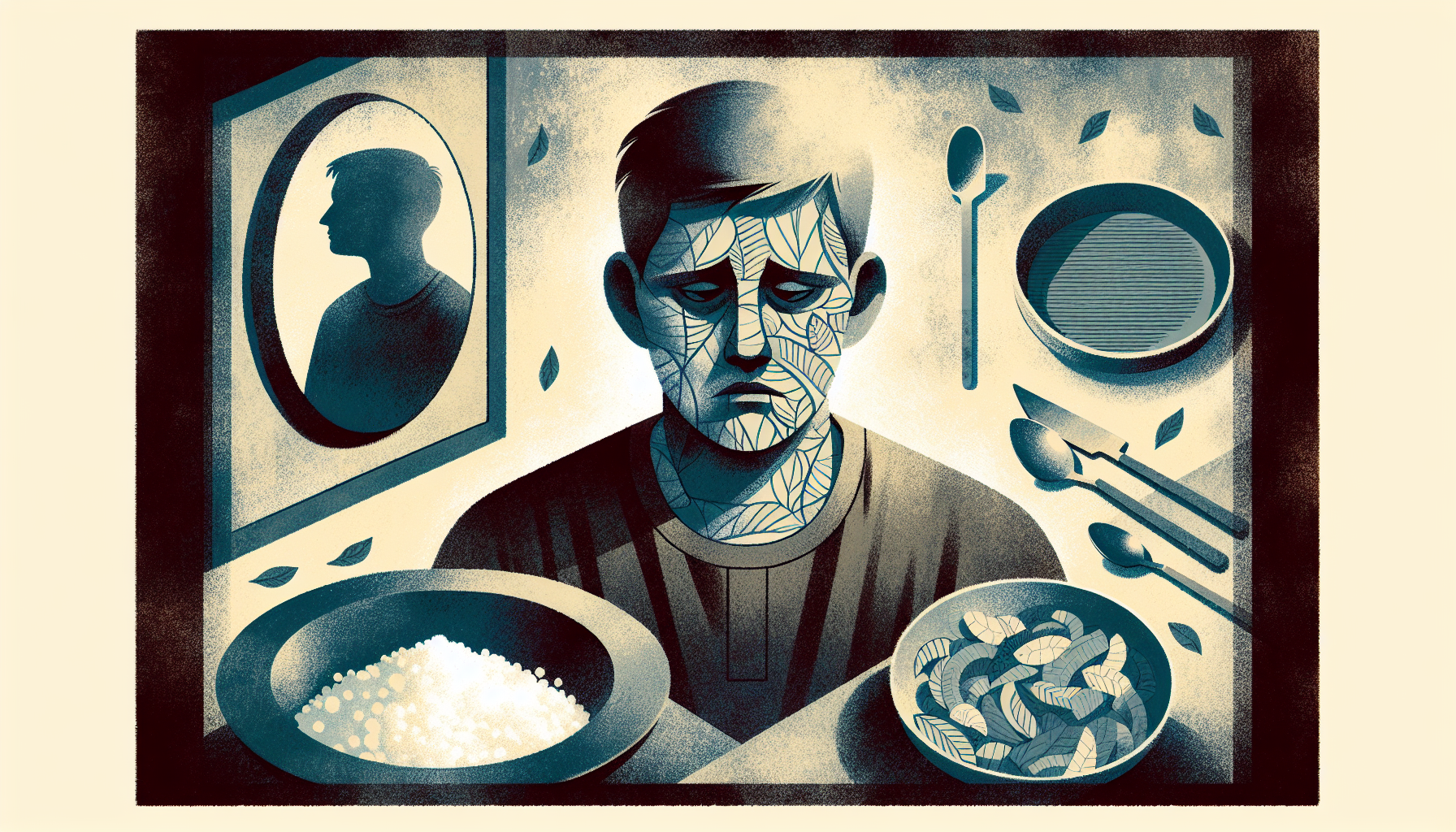
Serious mental health conditions, known as mental disorders such as eating disorders, are defined by severe disturbances in eating habits and distressing thoughts and emotions. These conditions often involve eating disorder behaviours, which include a preoccupation with food, body weight, and shape, leading to dangerous health consequences and even being fatal. Diagnosing and treating these conditions demands meticulous attention. They are not limited by age, gender, race, or ethnicity and can affect anyone, although they often develop during adolescence and young adulthood.
In the United States alone, approximately 20 million girls and women and 10 million boys and men struggle with eating disorders. The high prevalence of these disorders highlights the need for early identification and intervention. The journey to understanding begins with knowing the common types of eating disorders.
Common Types of Eating Disorders
Eating disorders come in various forms, each with unique characteristics and symptoms. The most common types of eating disorders are:
- Anorexia nervosa
- Bulimia nervosa
- Binge eating disorder
- Avoidant restrictive food intake disorder (ARFID)
- Other specified feeding or eating disorders (OSFED)
Eating disorder symptoms vary across different types, making it essential to understand the specific signs associated with each condition.
These disorders can have serious physical and mental health implications. Comprehending these categories aids in identifying the unique obstacles individuals face and the personalised strategies required for successful treatment.
Anorexia Nervosa
Anorexia nervosa is a serious eating disorder characterised by restrictive eating, extreme food restriction, self-starvation, and significant weight loss. Individuals with anorexia have an intense fear of gaining weight and a distorted body image, leading them to engage in behaviours like excessive exercise and the use of laxatives to lose weight. This disorder often results in severe physical symptoms such as extreme thinness, brittle hair and nails, and severe constipation.
In Australia, about 3% of individuals with eating disorders suffer from anorexia nervosa. This disorder notably affects a segment of the population with eating disorders. The consequences of this disorder are not just physical; they can also include:
- slowed pulse
- low blood pressure
- electrolyte imbalances
- osteoporosis
- muscle wasting
- hormonal imbalances
- organ damage
The profound fear of weight gain and the skewed body image fuelling this disorder underscore the necessity for all-encompassing treatment strategies to gain weight in a healthy manner.
Bulimia Nervosa
Bulimia nervosa involves cycles of binge eating followed by compensatory behaviours, such as vomiting or the misuse of laxatives. Individuals with bulimia often consume large amounts of food in a short period and then try to get rid of the calories through unhealthy methods. This cycle can result in serious health problems, such as eroded tooth enamel, acid reflux, and inflamed salivary glands, all of which are consequences of the disturbed eating behaviour.
Bulimia nervosa affects about 12% of individuals with eating disorders. This condition is characterised by cycles of binge eating followed by purging behaviours. The emotional toll of bulimia includes significant mood swings and struggles with anxiety and depression. Prompt identification of these symptoms and seeking suitable treatment is vital to avert chronic health issues.
Binge Eating Disorder
Binge eating disorder (BED) is characterized by:
- Recurrent episodes of overeating, consuming large amounts of food quickly and to the point of discomfort, without subsequent purging behaviors
- Feelings of shame and guilt about eating habits, contributing to emotional distress
- Unlike bulimia, individuals with BED do not engage in compensatory behaviours like vomiting or excessive exercise.
BED is a serious condition that can result in various health complications, including:
- obesity
- diabetes
- hypertension
- cardiovascular diseases
Tackling BED requires comprehensive insight into the psychological and physical facets of the disorder to offer efficient treatment.
Avoidant Restrictive Food Intake Disorder (ARFID)
Avoidant Restrictive Food Intake Disorder (ARFID) is characterised by a disturbance in eating that leads to inadequate nutrition and energy intake. Unlike other eating disorders, ARFID is not driven by concerns about body weight or shape. Instead, it often stems from sensory issues, fear of choking or vomiting, or a general lack of interest in food.
ARFID can develop in infancy or early childhood and may continue into adulthood. Symptoms include dramatic weight loss, nutritional deficiencies, and a failure to meet appropriate nutritional needs. Early identification of ARFID is vital to prevent chronic health complications.
Other Specified Feeding or Eating Disorder (OSFED)
Other Specified Feeding or Eating Disorder (OSFED) encompasses eating disorders that do not fit into the specific categories of anorexia, bulimia, or BED. OSFED is quite common, with about one in three individuals seeking treatment for an eating disorder falling into this category.
This diagnosis underscores the varied nature of eating disorders and the necessity for personalized treatment plans, especially when it comes to having eating disorders diagnosed. The importance of an accurate eating disorder diagnosis cannot be overstated for effective treatment.
Symptoms and Signs of Eating Disorders
Identifying the symptoms and signs of eating disorders, including emotional distress, is vital for prompt intervention. Physical symptoms can vary widely but often include significant weight loss, brittle hair and nails, and severe constipation in anorexia nervosa. Emotional and behavioral signs are also telling; individuals may display secretive eating behaviors, excessive concern with body weight, and mood swings.
Bulimia nervosa, for example, often involves secretive binge eating and compensatory behaviors like vomiting or misuse of laxatives. Emotional signs include feelings of shame, guilt, and significant mood swings. Identifying these signs can pave the way for early diagnosis and treatment, lowering the risk of serious health complications.
Causes of Eating Disorders
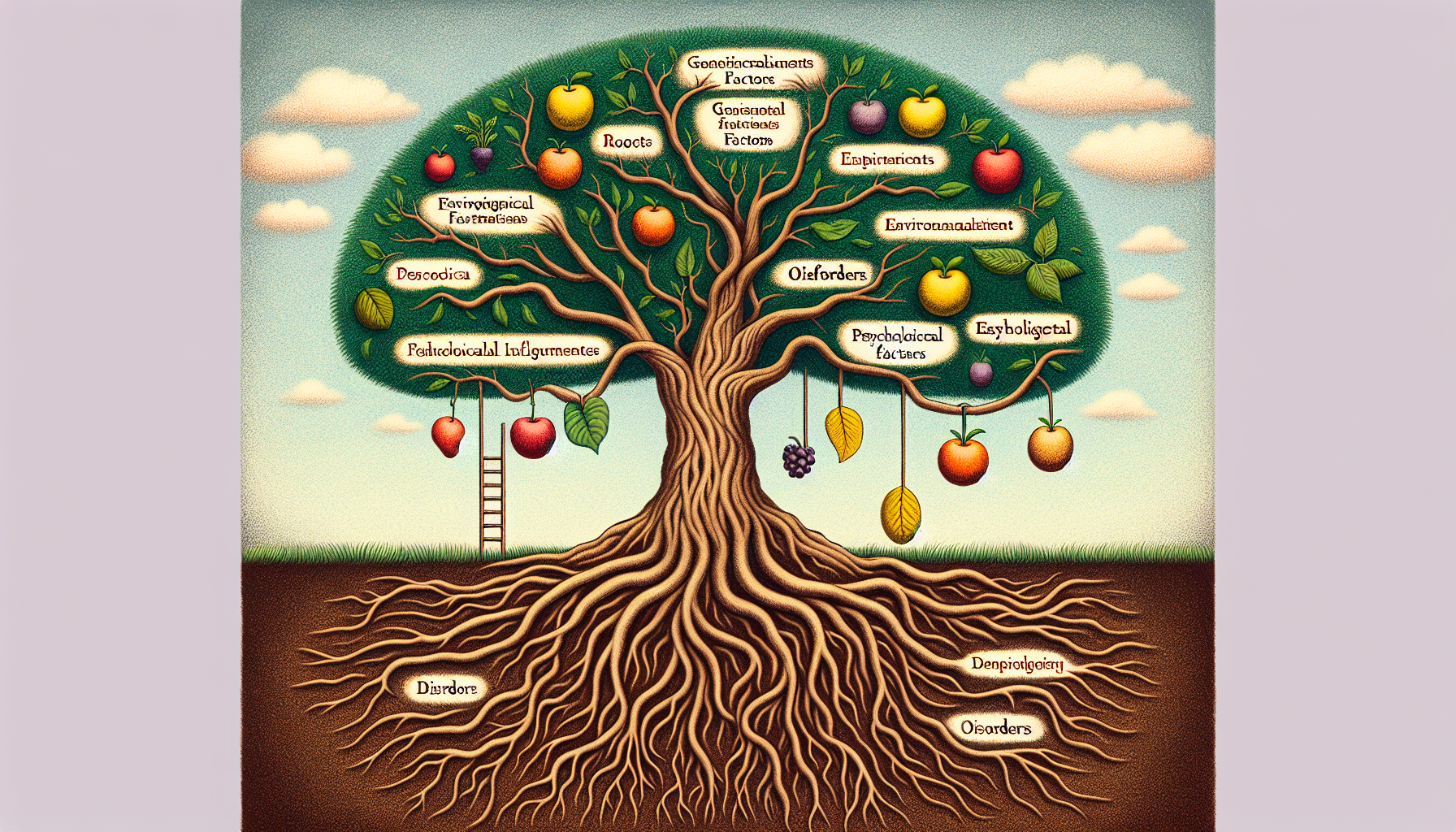
Eating disorders are complex conditions resulting from a combination of genetic predisposition, psychological, and environmental factors. Genes play a significant role, with genetic factors contributing approximately 56% of the risk for developing an eating disorder. Family history also plays a part; individuals with a mother or sister who has anorexia nervosa are about twelve times more likely to develop the condition themselves.
Psychological factors, such as low serotonin levels linked to binge behaviours, and abnormalities in the hypothalamus affecting feelings of fullness, also contribute to eating disorders. Environmental influences, including early life stress and societal pressures, can trigger or exacerbate these conditions. Comprehending these causes is crucial for devising efficient treatment strategies.
How Eating Disorders Affect Health
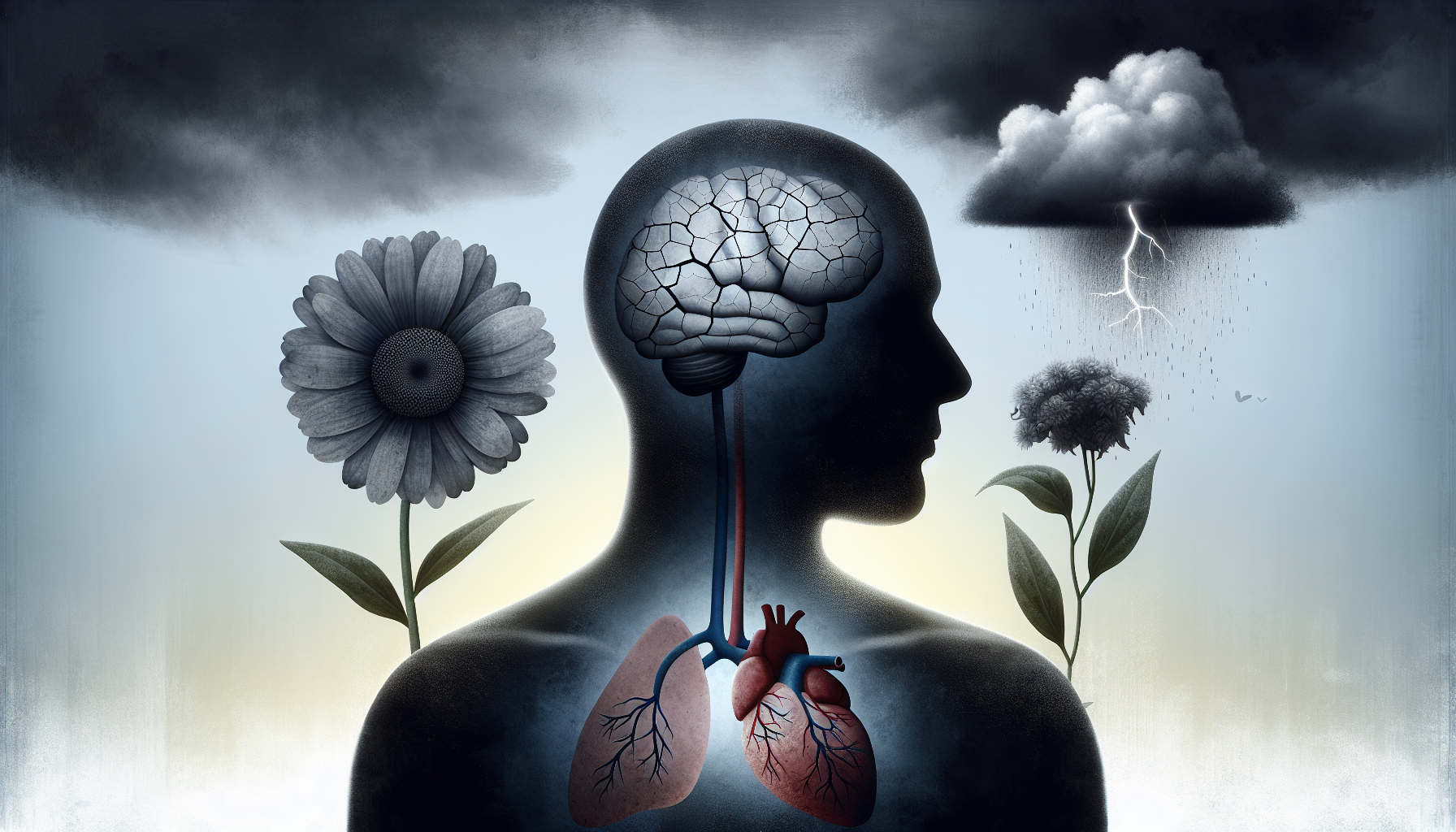
Eating disorders can have devastating effects on both physical health and mental health. Anorexia nervosa can lead to severe medical complications, including heart rhythm abnormalities, kidney problems, and seizures. Starvation and malnutrition due to anorexia can also cause changes in the brain, making it difficult for individuals to recognise their illness and its impact.
Bulimia nervosa can result in oesophageal tears, gastric rupture, and dangerous cardiac arrhythmias. Binge eating disorder is associated with obesity, diabetes, hypertension, and cardiovascular diseases. These health risks emphasise the significance of timely diagnosis and all-encompassing treatment.
Diagnosing Eating Disorders
Diagnosing eating disorders involves a thorough assessment of symptoms, eating habits, and physical health. Healthcare professionals use a combination of physical exams, mental health evaluations, and diagnostic criteria to identify eating disorders. This process helps rule out other medical causes and determine the specific type of eating disorder.
The diagnosis of binge eating disorder requires the identification of recurrent binging episodes at least once a week for three months, coupled with a feeling of losing control during these episodes. Adherence to this criteria is vital for precise diagnosis and treatment. An exhaustive diagnosis paves the way for successful treatment.
Treatment Options for Eating Disorders
Treatment for eating disorders requires a multidisciplinary approach involving a comprehensive treatment plan and a team of healthcare providers, including doctors, therapists, and dietitians. This section will delve into the specifics of psychotherapy, nutrition counselling, and medication, highlighting how these treatments work together to address the complex nature of eating disorders.
Psychotherapy
Psychotherapy is a cornerstone of eating disorder treatment, addressing the underlying thoughts, feelings, and behaviours. Enhanced cognitive behavioural therapy (CBT-e) is particularly effective for bulimia nervosa and binge eating disorder, targeting specific behaviours and thoughts linked to these conditions. Dialectical behavioural therapy (DBT) helps individuals develop skills to manage distress and control emotions, which can reduce symptoms of binge eating and bulimia.
The goals of psychotherapy include normalising eating patterns, restoring healthy weight, and addressing co-occurring conditions. Establishing a therapeutic relationship with a mental health professional is essential for effective therapy.
Nutrition Counseling
Nutritional therapy plays a vital role in treating eating disorders by:
- helping patients develop healthy eating habits
- addressing nutritional deficiencies
- working with patients to plan regular meals
- ensuring they receive proper nutrient intake
Such counseling is indispensable for rejuvenating physical health and averting additional complications.
Understanding the impact of nutrition on the body and correcting health issues caused by poor nutrition are key components of this treatment. Nutrition counselling supports overall recovery by promoting healthy eating behaviours and habits.
Medication
Pharmacological treatment is often used to treat co-occurring mental health conditions, such as depression and anxiety, in individuals with eating disorders. Antidepressants, for instance, are commonly prescribed for bulimia nervosa and binge eating disorder, helping to reduce binge behaviours. These medications are most effective when combined with psychotherapy.
Treating the underlying mental health conditions can significantly improve the overall treatment outcomes for eating disorder patients. Having a holistic treatment plan that incorporates medication is pivotal to the approach.
Steps to Take If You Suspect an Eating Disorder
If you or someone you know is suspected of having an eating disorder, early intervention is crucial. Start by visiting a healthcare professional to discuss your concerns and undergo an assessment. If you don’t have a doctor, services like the healthdirect Service Finder can help you locate one.
Talking to someone you trust, such as a friend or family member, is also a valuable step. Additionally, resources like the Butterfly National Helpline and other support services provide advice and support for those affected by eating disorders. Prompt intervention can markedly enhance the results of the treatment.
How Highlands Recovery can help
Highlands Recovery offers comprehensive care through a unique blend of medical and psychological expertise to treat eating disorders effectively. Led by Resh Joseph, who has an extensive background in both medicine and psychology, the centre provides a comprehensive approach to treatment. Resh’s career spans various roles within the mental health industry, including work in the criminal justice system and private sector. His experience and dedication to treating trauma and addictions make Highlands Recovery a beacon of hope for those struggling with eating disorders.
At Highlands Recovery, the focus is on delivering cutting-edge therapeutic programs tailored to individual needs. Resh’s expertise in creating trauma-based programs ensures that patients receive the most effective care. The centre’s multidisciplinary approach includes psychotherapists, dietitians, and healthcare providers working together to address all aspects of an eating disorder.
Highlands Recovery is committed to providing a supportive and compassionate environment for recovery. The team’s dedication to ongoing education and innovation in treatment practices sets them apart as leaders in the field.
Highlands Recovery Philosophy
Highlands Recovery’s philosophy is rooted in a holistic approach to behavioural medicine, an interdisciplinary field that integrates biomedical, psychological, and environmental science knowledge. This approach ensures that the treatment encompasses all aspects of health and wellness, including the body, mind, and environment. Behavioural medicine is considered the gold standard for treating various health issues, including substance use disorders, trauma, and stress-related disorders.
By adopting this model, Highlands Recovery provides a holistic treatment program that addresses the multifaceted nature of eating disorders. The focus on a healthy body, mind, and environment ensures that patients receive comprehensive care that promotes long-term recovery.
Resources for Further Support
Various organizations and resources are available to provide support services and assistance for individuals affected by eating disorders. Some of these include:
- The Butterfly Foundation, which offers access to effective services for eating disorders and body image issues. They provide face-to-face support programs, a national helpline, and an online chat service available from 8am to midnight AEST, seven days a week. Their monthly newsletter also keeps subscribers informed about news, events, and helpful articles.
- The National Eating Disorders Association (NEDA), which provides resources, support groups, and a helpline for individuals and families affected by eating disorders.
- Eating Disorder Hope, an online resource that offers information, treatment options, and support for individuals struggling with eating disorders.
These organisations and resources can provide valuable support and guidance for those seeking help with eating disorders.
Other organisations like Luma in Western Australia, Eating Disorders Victoria, and Eating Disorders Queensland offer community-based programs and therapeutic options for individuals and families. The National Eating Disorder Collaboration provides a comprehensive list of recovery services by state, ensuring that individuals can find the help they need wherever they are. These resources significantly contribute to offering support to those impacted by eating disorders and their families.
Summary
Understanding eating disorders is essential for recognising the signs, seeking timely help, and supporting those affected by these serious mental health conditions. From anorexia nervosa and bulimia nervosa to binge eating disorder and ARFID, each type of eating disorder presents unique challenges that require tailored treatment approaches. Early intervention, comprehensive treatment plans, and ongoing support are key to recovery. With the right resources and professional help, it is possible to overcome eating disorders and lead a healthier, more fulfilling life through a successful recovery process.
Frequently Asked Questions
What is the success rate of rehab in Australia?
The success rate of rehab in Australia is about 58%, with individuals who complete drug or alcohol treatment achieving long-term recovery goals like sobriety and improved relationships.
What are the common types of eating disorders?
The common types of eating disorders are anorexia nervosa, bulimia nervosa, binge eating disorder, avoidant restrictive food intake disorder (ARFID), and other specified feeding or eating disorder (OSFED).
What are the physical symptoms of anorexia nervosa?
Physical symptoms of anorexia nervosa include extreme thinness, brittle hair and nails, severe constipation, slowed pulse, and low blood pressure. It’s important to seek medical help if you or someone you know is experiencing these symptoms.
How is binge eating disorder different from bulimia nervosa?
Binge eating disorder is characterised by consuming large amounts of food without purging, while bulimia nervosa involves binge eating followed by purging behaviours such as vomiting or laxative misuse.
What causes eating disorders?
Eating disorders are caused by a combination of genetic, psychological, and environmental factors, including low serotonin levels and early life stress. It’s a complex interplay of various influences.