Harnessing the Healing Power of Equine Therapy for Holistic Recovery
Equine therapy is an interactive healing approach where horses play a crucial role in addressing mental health and emotional challenges. Rooted in the non-verbal communication and empathetic nature of horses, this therapy stands out for providing immediate, honest feedback that assists individuals in self-discovery and emotional growth. Animal assisted therapy, a broader category of treatment that includes equine therapy, plays a significant role in addressing mental health and emotional challenges by empowering patients to find their own solutions and paths towards recovery. What exactly is equine therapy, how does it work, and who can benefit from it?
Key Takeaways
- Equine assisted therapy incorporates activities with horses to stimulate emotional and psychological healing, fostering self-awareness and personal growth with the help of certified equine therapists.
- Horses serve as empathetic partners in therapy, mirroring clients’ emotions to facilitate learning and growth, helping to manage mental health challenges such as anxiety, PTSD, chronic stress, and addiction.
- Equine therapy integrates with traditional treatment plans and emphasises the development of life skills and self-confidence, enhancing overall mental health and success in recovery programs.
Exploring the Essence of Equine Assisted Therapy

Equine assisted therapy, a form of animal assisted therapies, transcends the barriers of traditional therapy, offering a therapeutic journey that extends beyond simply spending time with horses. As the name suggests, equine assisted therapy involves activities with horses that foster healing and personal growth. It’s not about mastering riding skills, but about caring for the horse and engaging in tasks that stimulate emotional and psychological healing. Equine assisted therapies, as a subset of animal assisted therapies, have been proven to be highly effective in promoting well-being through equine assisted therapy programs.
This therapy’s unique aspect is the immediate feedback received during interaction with the horse, which fosters a deeper understanding through internalised lessons.
The Core Principles of Equine Assisted Therapy
Equine therapy fundamentally involves non-verbal communication, trust-building tasks, and activities that enhance self-awareness. Horses, with their keen ability to perceive human emotions, enable individuals to express themselves in ways that might be challenging through verbal expression alone.
Therapists guide clients through activities with horses with the aim of achieving therapeutic goals and aiding clients in learning to manage their emotions and enhance self-awareness.
The Role of a Certified Equine Therapist
The effectiveness of equine therapy heavily depends on the skill and strategy of a certified equine therapist. These professionals use the EAGALA (Equine Assisted Growth and Learning Association) model as a structured framework, integrating equine-assisted learning into psychotherapy to create more experiential, relational, and engaging treatment sessions.
Therapists purposefully provide vague instructions during therapy sessions to encourage clients to spearhead their discovery process, cultivating a feeling of empowerment and self-efficacy.
Varieties of Equine Assisted Activities

Equine therapy is a dynamic field that offers a variety of activities tailored to meet each client’s unique needs and goals. A typical equine therapy session might include activities like:
- Grooming and leading horses, which encourage patients to reflect on their behaviours and emotions
- Vaulting
- Parade walks
- Equestrian shows
- Demonstrations
These activities provide a therapeutic and interactive experience for clients, often used in occupational therapy.
For those in residential treatment, specialised activities such as equine-assisted learning (EAL), elective recreational activities, and therapeutic trail rides are offered. A specialised form of equine therapy known as hippotherapy leverages horse movement to provide motor and sensory benefits, demonstrating the diverse applications of this therapy.
The Synergy Between Horses and Healing

In equine therapy, horses serve as more than mere companions; they are empathetic beings with a deep sensitivity to human emotions. This unique ability allows them to detect and mirror the emotional states of individuals during therapy sessions, providing a unique avenue for self-awareness and emotional healing.
Horses as Natural Empaths
Inherently, horses are perceptive beings with an acute sensitivity to emotions. This sensitivity, combined with their ability to provide non-verbal feedback, makes them natural empaths, capable of mirroring a client’s emotional state during therapy sessions. The behaviour of the horse acts as a unique mirror, reflecting the client’s emotional state, and facilitating experiential learning and personal development.
This unique non-verbal feedback from horses fosters self-awareness and behavioral change in clients, providing a unique avenue for healing and growth.
Learning Through Interaction
The therapeutic benefits of interacting with horses include:
- Enhancing self-awareness
- Developing self-control
- Managing stress
- Overcoming mental health challenges
These benefits stem from active exercises and interactions with these majestic beings. Working with horses can be a powerful tool for personal growth and healing.
Therapists observe patients’ interactions with horses to gain insights which help them address the patients’ behavioural and emotional issues, facilitating meaningful and lasting change.
The Spectrum of Mental Health Issues Addressed by Equine Therapy
Equine therapy is a flexible therapeutic approach beneficial to individuals dealing with a wide range of mental health issues. Some of the conditions that equine therapy can help with include:
- Anxiety
- PTSD
- Chronic stress
- Addiction
Equine therapy, led by an equine specialist, offers a holistic avenue for healing and recovery.
Equine Therapy and Substance Abuse Recovery
In addiction treatment, equine therapy plays an instrumental role, aiding individuals in coping with stress, enhancing self-esteem, and fostering a sense of personal accountability. More than just a therapeutic pastime, equine therapy fosters a sense of empowerment, integral for recovery from substance use disorders such as alcohol, opiate, or cocaine addiction.
Equine therapy is a supportive, non-pharmacological approach that strengthens integrated recovery treatment plans, improving success rates for addiction treatment programs. Individuals seeking to regain control over their lives while recovering from substance use disorder, and those with co-occurring disorders, can greatly benefit from equine therapy.
Unveiling the Benefits of Equine Therapy
Apart from the evident benefits of outdoor activities and interaction with the gentle and beautiful horses, equine therapy provides a plethora of psychological and emotional advantages. Participants report rapid and noticeable improvements in:
- self-esteem
- communication skills
- self-awareness
- focus
These improvements contribute to their overall mental health and well-being.
Boosting Self-Confidence Through Mastery
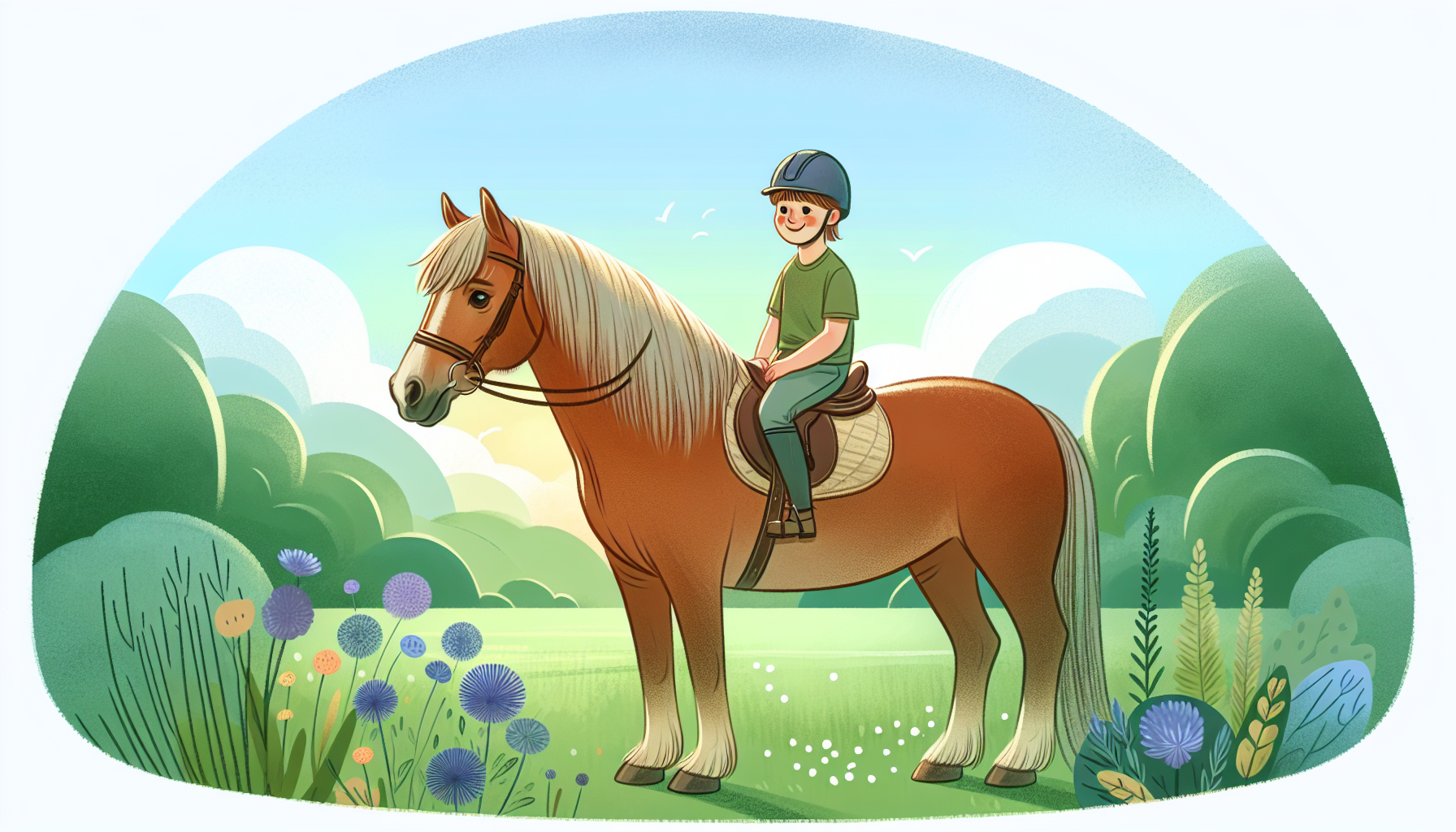
One of the key benefits of equine therapy is the boost to self-confidence that participants experience. Therapeutic riding, conducted by trained professionals, improves:
- Psychological well-being
- Flexibility
- Muscle strength
- Balance
- Muscle tone
The emotional bond that forms between a human and their horse acts as the foundation of an obligatory relationship that supports the development of self-confidence.
Fostering Relationship Skills with Equine Partners

Equine therapy also significantly contributes to the development of relationship skills. Working with horses in therapy sessions teaches individuals to be present and assertive, enhancing their communication skills and interpersonal abilities. The therapy contributes to better interpersonal relationships and empathy by:
- Encouraging clients to build connections with horses
- Teaching individuals to be present and assertive
- Enhancing communication skills and interpersonal abilities
Moreover, horses’ social and herd behaviours offer insights into human relationships, teaching about connection and different forms of leadership.
Integrating Equine Therapy into Treatment Plans
Equine therapy, rather than being a standalone intervention, is a potent tool that enhances existing treatment approaches. Licensed mental health therapists integrate equine therapy into treatment plans, providing a multidimensional treatment that contributes to a more comprehensive recovery.
Equine Assisted Psychotherapy as a Complementary Practice
Equine assisted psychotherapy, a distinctive therapeutic approach, integrates seamlessly with established treatments like cognitive-behavioural therapy (CBT). Mental health therapists customise equine assisted psychotherapy, also known as equine facilitated psychotherapy, to align with their professional practices and client needs, ensuring congruence with their therapeutic identity.
Processing and healing can begin with equine assisted therapy and continue with the involvement of a mental health professional, such as psychiatrists, psychologists, or counsellors, providing a comprehensive and integrated approach to mental health treatment and recovery.
The Role of Equine Assisted Learning in Recovery Programs
In recovery programs, equine-assisted learning (EAL) serves a crucial function. It focuses on increasing self-awareness, gaining insight into one’s behaviour, and developing relational and social interaction skills, crucial for individuals in recovery. Through direct interactions with horses, EAL promotes the development of essential life skills such as patience, clear communication, and boundary setting, all within the therapeutic farm environment.
The increasing active engagement between patients and horses during EAL reflects the growing cooperation in the recovery process, which is key to successful rehabilitation.
Highlands Recovery integration of Equine assited healing in their rehabilitation program.
Highlands Recovery has successfully integrated equine-assisted healing into their rehabilitation program. Located in the Southern Highlands of NSW, an hour and a half south of Sydney CBD, Highlands Recovery offers a unique addiction and mental trauma recovery program that identifies and leverages the unique benefits of equine therapy.
A Day in Equine Therapy: What to Expect
An equine therapy session is a unique experience, distinct from traditional therapy settings. Sessions vary in length, generally lasting from 30 to 90 minutes, and can involve various activities such as grooming, walking, and riding the horse.
The Initial Bonding Process
Initial equine therapy sessions usually encompass relaxed and non-demanding interactions that foster the initial bond between the client and the horse. As the client grows comfortable, the bonding process naturally extends to more structured activities like grooming, leading the horse, and participating in trust-building exercises.
Active Engagement with Therapeutic Goals
To maximise the effectiveness of the treatment, equine therapy sessions are meticulously customised to correspond with individual therapeutic goals and needs. Activities such as grooming and walking a horse play a significant role in therapy and are customised for each individual, contributing to their specific recovery journey.
Real Stories of Transformation: Equine Therapy Success Cases
Equine therapy has brought about transformation in many lives, with participants expressing reduced distress and increased independence post-therapy. A mother of a child with a life-threatening condition experienced improved sleep after her first session of equine therapy.
Another significant progress was observed in a client through a one-week intensive program of equine therapy, which was noted to eclipse the improvement made during a month-long outpatient program at a major treatment centre.
Summary
To sum up, equine assisted therapy offers a holistic, innovative, and deeply therapeutic approach to healing. From enhancing self-esteem and fostering relationship skills to addressing a spectrum of mental health issues, this form of therapy harnesses the empathic abilities of horses to facilitate recovery. As we’ve explored, equine therapy is being successfully integrated into treatment plans, offering a multidimensional treatment that contributes to comprehensive recovery.
Frequently Asked Questions
What is equine assisted therapy?
Equine assisted therapy is a holistic form of therapy that involves tasks with horses and is recognised for its therapeutic benefits for people with disabilities. It promotes healing, personal growth, and self-worth with minimal need for verbal communication.
What are the benefits of equine therapy?
Equine therapy provides individuals with opportunities to confront fears in a controlled environment, leading to improvements in self-esteem, communication skills, self-awareness, and focus. Consider exploring equine therapy for these potential benefits.
How does equine therapy work in addiction treatment?
Equine therapy works in addiction treatment by helping patients cope with stress, boost self-esteem, and develop personal responsibility. It also reduces impulsiveness and fosters a sense of empowerment crucial for recovery.
What does a typical equine therapy session look like?
A typical equine therapy session involves activities like grooming, walking, and riding the horse, and is participant-driven to meet individual needs. It provides a unique and personalised approach to therapy.
Can equine therapy be integrated into traditional treatment plans?
Yes, equine therapy can be integrated into traditional treatment plans by licensed mental health therapists, complementing existing approaches and providing a more comprehensive recovery for individuals.
Does NDIS fund equine therapy?
In some cases NDIS covers equine therapy costs – including: The company should satisfy a reasonable requirement that NDIS applies to any purchase made using plan funds.
Is equine therapy good for PTSD?
Several studies have shown that horse treatment can significantly reduce the severity of symptoms. The results included decreased stress levels and depression and generally improved psychological wellbeing.
How does equine therapy work for anxiety?
Horses are keen observers and are vigilant and tolerant about movements and emotions. Frequently these images reflect behaviour or emotion of clients, it reflects understanding and connecting the client to a sense of comfort and safety.